
In any industry where the quality of the product, the safety, and regulatory compliance heavily depend on the accuracy of measurements, it is crucial to manage the process of calibration effectively. Since organizations deal with hundreds or even thousands of instruments, manual ways of tracking these instruments tend to be time-consuming and prone to errors. Calibration Software is vital here.
The current digital calibration systems assist organisations to automate scheduling, keep proper records, monitor the performance of instruments, and comply with industry standards. These solutions are economical and enhance efficiency in manufacturing and pharmaceutical, aerospace, healthcare or laboratory settings, as well as in administrative tasks.
This guide demonstrates the nature of the calibration management systems, their major advantages, and why they have become an indispensable part of contemporary quality management programs.
What is Calibration Software?
Calibration software is a computerized system that is used to control, oversee and record calibration procedures on a measuring instrument and test equipment. It consolidates the records of calibration, automates the processes, and gives full transparency on the performance of the assets.
Organisations no longer need to use spreadsheets or paper records to maintain a schedule of calibration, issue certificates, maintain and audit history, but can do it in a dedicated platform.
An effective Calibration Management Software solution enables companies to enhance traceability and ensure that all operations have the same degree of measurement accuracy.
Why Calibration Management Matters
All measuring instruments wear, have an exposure to the environment and undergo operational stress. These may influence accuracy and cause drift in measurements.
Organisations can be subjected to:
- Equipment failures
- Product quality issues
- Compliance violations
- Production downtime
- Increased maintenance costs
An organized Instrument Calibration Management is designed to keep the instruments within reasonable tolerances and to keep them providing useful measurements.
Key Features of Modern Calibration Software
The high-tech calibration platforms provide various tools that will help to simplify the daily operations more simplified and enhance compliance.
Automated Scheduling and Reminders
One of the most valuable features is automatic scheduling. The software monitors the due dates of calibration and sends alerts in case the instruments are overdue.
This assists the organisations in avoiding missed calibrations and not allowing interruptions in compliance.
Centralised Asset Database
Each instrument has information stored in a centralised database and includes: a database stores information for every instrument, including:
- Asset identification
- Calibration history
- Maintenance records
- Service reports
- Certificate documentation
This enhances usability and saves time taken in searching records.
Calibration Data Management
Calibration Data Management is an effective method that allows organisations to safely store, organize, and analyze the calibration results.
Benefits include:
- Faster audits
- Improved traceability
- Historical trend analysis
- Better decision-making
- Reduced documentation errors
Digital Certificates and Reports
Electronic calibration certificates and reports are automatically generated on modern platforms and make it less cumbersome and easier to document.
Benefits of Calibration Tracking Software
Manual systems are being substituted with digital solutions in organisations in different industries due to the high level of operational benefits that it offers.
Improved Compliance
A Calibration Compliance Management system ensures that companies comply with ISO standards, regulatory requirements, and customer quality standards.
Increased Productivity
The automation of workflows will remove the repetitive management processes, and technicians and the quality teams can concentrate on the important processes.
Reduced Human Errors
It is common with manual recordkeeping where schedules are missed, data is entered wrongly or lost. These risks are mitigated to a great degree by digital workflows.
Better Audit Readiness
Within audits, organisations can immediately access calibration records, certificates, and equipment histories, and lessen preparation time and enhance confidence.
Integration with Calibration Equipment
Contemporary calibration platforms should be compatible with the high-tech calibration equipment and laboratories.
Calibration Bench Integration
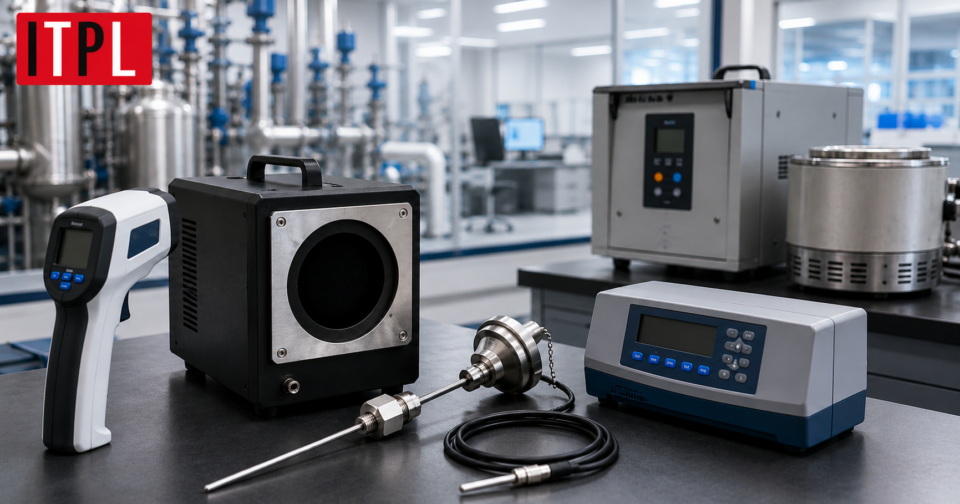
A Calibration Bench is a controlled test and calibration instrument test environment. The integration of software will facilitate automated collection of data, which minimises errors in manual data entry and enhances efficiency.
Benchtop Multiproduct Calibrator Connectivity
A Benchtop Multiproduct Calibrator is able to carry out various calibration tasks at a single workstation. Results when linked to calibration software can be automatically recorded and can be used in future.
This integration will enhance the accuracy of the workflow and increase the traceability.
Industries That Benefit from Calibration Management Systems
Calibration software is applicable in a diverse variety of industries that require accurate measurements and quality-control.
Manufacturing
Calibration systems are used in production facilities to ensure accuracy in the processes and minimise defects in products.
Pharmaceutical Industry
Calibration management is a necessity to ensure compliance and quality of products due to strict regulatory requirements.
Aerospace and Defense
Accuracy is very important in the aerospace industry, where even slight variations can cause serious repercussions.
Healthcare and Medical Laboratories
The medical equipment should be regularly c alibrated to achieve the right diagnostics and patient safety.
Energy and Utilities
Calibration management systems are used in power generation facilities to ensure that equipment is reliable and efficient in operation.
Emerging Trends in Calibration Technology
With digital transformation and smart technologies, the calibration industry is changing at a high rate.
Current trends include:
- Cloud-based calibration management
- Mobile calibration applications
- Automated certificate generation
- Remote calibration monitoring
- Artificial intelligence-driven analytics
- Predictive maintenance integration
- Industrial IoT connectivity
These innovations help organisations improve operational efficiency while maintaining high levels of measurement confidence.
Best Practices for Successful Calibration Management
Organisations need to consider a number of best practices to maximise the value of calibration software:
- Record keeping of assets correctly.
- Schedule calibrations proactively
- Implement traceable standards
- Train personnel regularly
- Conduct periodic audits
- Store backup calibration data safely.
The measures can be used to make it successful in the long term.
FAQs
Q1. What is calibration software used for?
Ans: It is employed to control the calibration schedules, instrument records, certificates, compliance requirements and maintenance activities within a centralized system.
Q2. Why is calibration tracking important?
Ans: Calibration tracking assists in the maintenance of the accuracy of measurements, the prevention of calibrations that are overdue and adherence to the quality standards.
Q3. Is it possible to use regulatory compliance with calibration software?
Ans: Yes. It assists companies in having records of documentation, audit trails and calibration documents needed by the industry standards and regulatory audits.
Q4. Which industries are using calibration management software?
Ans: Calibration management systems are used in manufacturing, pharmaceuticals, aerospace, healthcare, laboratories, energy, and many other industries.
Q5. Is it possible to have calibration software to match up with calibration equipment?
Ans: Yes. Numerous new connections are made to calibration devices, automated testing, and workstations in laboratories.
Conclusion
With organisations becoming more focused on the quality, compliance, and operational efficiency, the use of digital calibration management has emerged as a critical business need. High-quality Calibration Software solution eases record keeping, automates processes, enhances traceability, and assists in adhering to industry standards.
A combination of the calibration activities with the latest technologies like automated test equipment, cloud-based solutions, and smart analytics will help the businesses develop an efficient and future-oriented quality management system. Not only does investing in the appropriate calibration management solution help minimize administrative load, but it also contributes to operational excellence in the long term and reliability of measurements.