In industries where product quality, process safety, and compliance standards rely heavily on accurate readings, maintaining the right temperature is of utmost importance. Non-contact temperature devices are used for a range of applications, such as pharmaceutical production, food processing, electronics manufacturing, and research laboratories, for rapid and accurate measurements. But even the best infrared instruments need to be calibrated regularly to ensure accuracy. An Infrared Thermometer Calibrator is where this comes in handy.
Modern calibration systems are developed in order to enhance the accuracy of measurement; minimize operating errors, and provide traceability in industrial and laboratory environment. Choosing the right solution can enhance equipment performance and ensure continued reliability and compliance with regulations.
Why Infrared Thermometer Calibration Matters
The most common use is with infrared thermometers, which measure temperature without touching it. This technology is fast and convenient, but the accuracy can be impacted over time due to environmental conditions, sensor degradation and constant use. Regular IR Thermometer Calibration helps eliminate measurement drift and ensures dependable results.
Highly stable calibration methods are essential for industries like aerospace, automotive, healthcare and chemical processing to keep production standards high. For research consistency and the accuracy of tests, temperature verification is also critical in laboratories.
A properly maintained calibration system can offer:
- Improved measurement confidence
- Reduced process deviations
- Meeting the quality requirements
- Enhanced equipment lifespan
- Better operational efficiency
Key Features to Look for in a Calibration Solution
There are a number of technical and operational considerations that businesses should consider when selecting an Infrared Thermometer Calibrator.
1. Quality: High Accuracy and Stability
The calibration system must be sensitive and repeatable, and have a high temperature stability. Today, many systems have sophisticated sensors and automated controls that can provide uniform readings over a broad temperature range.
2. Blackbody Calibration Capability
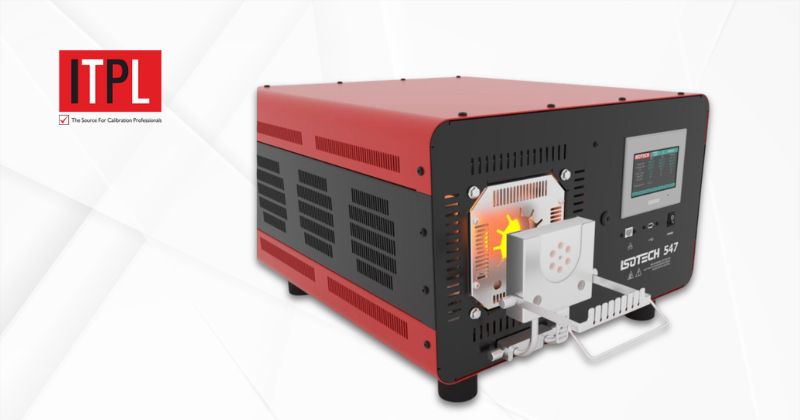
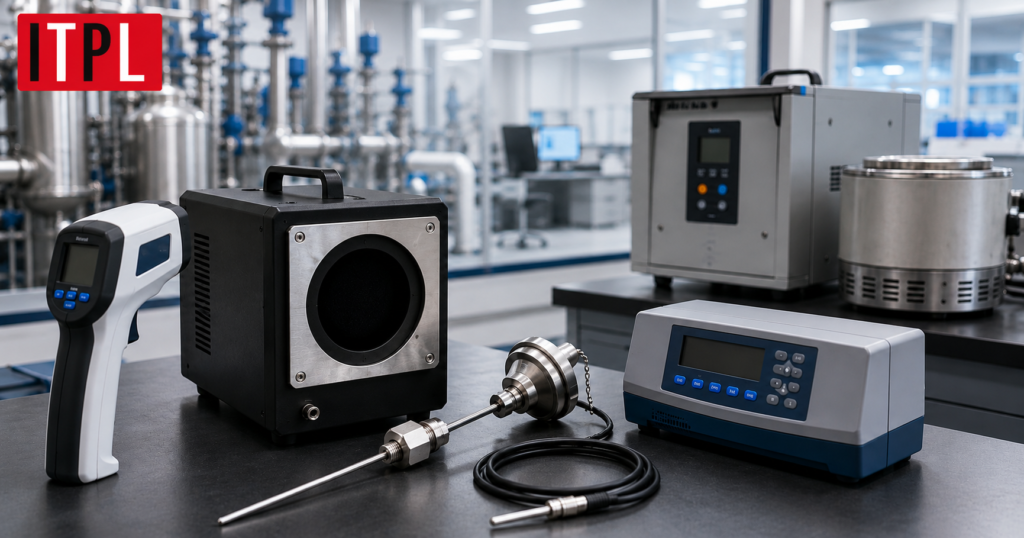
One of the most reliable means of non-contact temperature verification is the use of a Blackbody Calibration Source. This makes it a uniform, stable thermal radiation source, so infrared devices can be calibrated with higher accuracy.
This technology can be particularly useful in industries where calibration standards need to be tracked and where quality control is paramount.
3. Wide Temperature Range
Extreme temperatures are commonly found in industrial processes. Broad operating ranges of calibration equipment offer more flexibility in testing various instruments and applications.
4. Easy integration with Laboratory Systems!
Many facilities also prefer temperature calibration systems that can be easily connected with their digital monitoring platform and laboratory calibration software for effective Laboratory Temperature Calibration. Automated reporting and data logging ensure traceability and make audits easy.
Common Calibration Equipment Used Alongside Infrared Systems
A range of instruments is typically used in conjunction in temperature calibration environments for greater accuracy and process validation.
Thermocouple Calibration Furnace
The Thermocouple Calibration Furnace is a high-temperature test furnace that is commonly used for testing thermocouples and temperature sensors. These systems are used in manufacturing plants, calibration laboratories and are known for their stable heating characteristics.
Dry Block Calibrator
For portable and field calibration applications, a Dry Block calibrator is recommended. It is compact, easy to install and requires very little maintenance, and it also heats quickly, which is ideal for industrial service engineers.
Oil Bath Systems
The Oil Bath offers a very stable temperature for low and medium-range calibration applications. The laboratory often requires even heating for specific testing, which is why these systems are often employed.
Precision Temperature Indicator
A Precision Temperature Indicator is used to help the tech to be more accurate about verifying and monitoring temperature readings. It is often used when working with resistance sensors and thermocouple calibration setups.
The application of Resistance Temperature Detectors.
Known for its high accuracy and stability, a Resistance Temperature Detector is crucial in applications demanding high precision measurements. There are many applications for RTD systems, such as laboratories, pharmaceutical facilities, and clean rooms.
Industrial Applications of Advanced Calibration Systems
A myriad of industries demand reliable thermal measurement, and modern calibration technologies can play a significant role in achieving that.
Manufacturing and Process Industries
Thermally monitoring in an industrial setting has a direct effect on product quality and safe operation. Reliable Industrial Temperature Calibration provides a solution for manufacturers to guarantee the consistency of production and avoid expensive mistakes.
Pharmaceutical and Healthcare Facilities
There are products that are sensitive to temperature, for which a strict control of the environment is essential. Ensuring medicines and medical equipment are stored in a reliable way and in compliance with regulations depends on precision calibration solutions.
Food Processing & Packaging
IR thermometers are used in food production plants for hygiene and efficiency. Periodic calibration helps to maintain food safety and production uniformity.
Research and Testing Laboratories
Precise measurement systems are vital in laboratories for experimentation, validation, and product development. A reliable Precision Temperature Calibrator enhances the reliability of testing and data accuracy.
Emerging Trends in Temperature Calibration Technology
The use of calibration technology is still evolving, and new innovations are becoming available in terms of automation and digital monitoring. Newer trends are:
- Use of smart calibration systems with remote monitoring.
- Automated software to report calibration.
- Portable high-accuracy field calibrators.
- Improved stability of the blackbody source.
- A cloud-based system for keeping the calibration record.
Automated Temperature Calibrator systems are growing in use, as businesses seek to make systems more efficient and reduce the amount of manual intervention involved.
How to Choose the Right Calibration Partner
Choosing the right calibration provider is as crucial as the choice of equipment. A reputable provider will provide:
- Traceable calibration standards
- Technical expertise
- Industry-specific solutions
- Comprehensive support services
- Fast turnaround times
Having professional calibration support services can lead to better operational reliability and lower downtime for organisations.
FAQs
Q1. What does an infrared thermometer calibration system do?
Ans: It confirms and corrects the accuracy of an infrared temperature sensor to guarantee the accuracy of measurement data in industrial or lab use.
Q2. How often should infrared thermometers be calibrated?
Ans: The frequency of calibration is dependent upon the use, operating conditions and industry needs. Many facilities calibrate yearly or during regularly scheduled maintenance periods.
Q3. What is a blackbody calibration source?
Ans: A blackbody source is a thermal radiation device, which is used to verify the accuracy of non-contact infrared weather radar and thermal sensors.
Q4. What kind of industries need temperature calibration services?
Ans: Many industries, such as pharmaceuticals, food processing, aerospace, automotive, electronics, healthcare, and research laboratories, use temperature calibration solutions.
Q5. What is the difference between a dry block calibrator and an oil bath?
Ans: A heated metal insert is used in a dry block system for calibration, and an oil bath is used to ensure a highly uniform temperature environment.
Conclusion
Temperature measurement is an important role to ensure quality, safety and operation efficiency in various industries. Choosing the right Infrared Thermometer Calibrator solution plays a vital role in achieving reliability, compliance and accurate thermal control within challenging environments.
From modern production lines to cutting-edge research laboratories, modern calibration systems provide the precision needed for today’s applications. To create a reliable and future-proof process for temperature calibration, businesses can utilize advanced technologies like blackbody calibration sources, RTD systems, and automated monitoring solutions.