Current industries are widely dependent on proper diagnostics and preventive maintenance to minimise downtimes, enhance safety, and maximise operational efficiency. The Thermal Imager Camera is one of the best technologies that aid in this change. In electric tests, mechanical fault detection, and thermal imaging is now a necessity in the manufacturing industry, utility industry and maintenance teams.
This manual discusses the functionality of thermal imaging technology, its industrial use, and why it is significant in predictive maintenance approaches.
What is a Thermal Imager Camera?
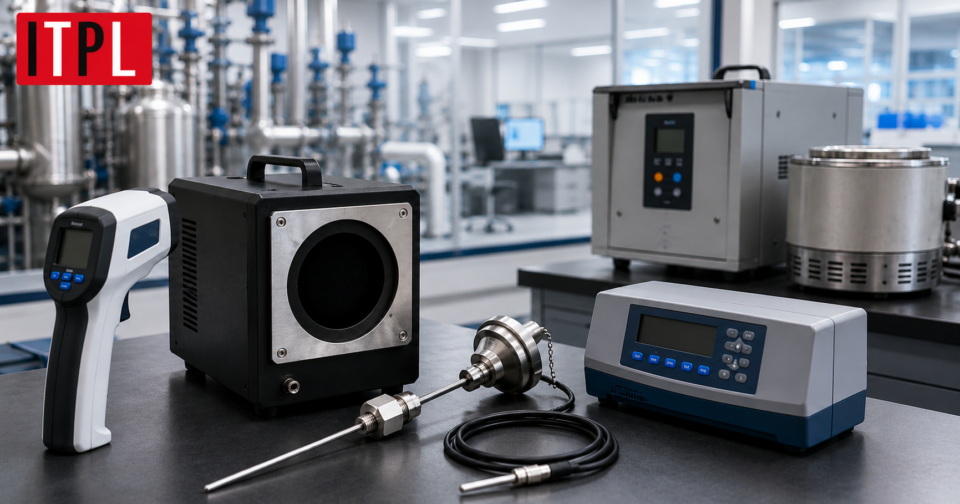
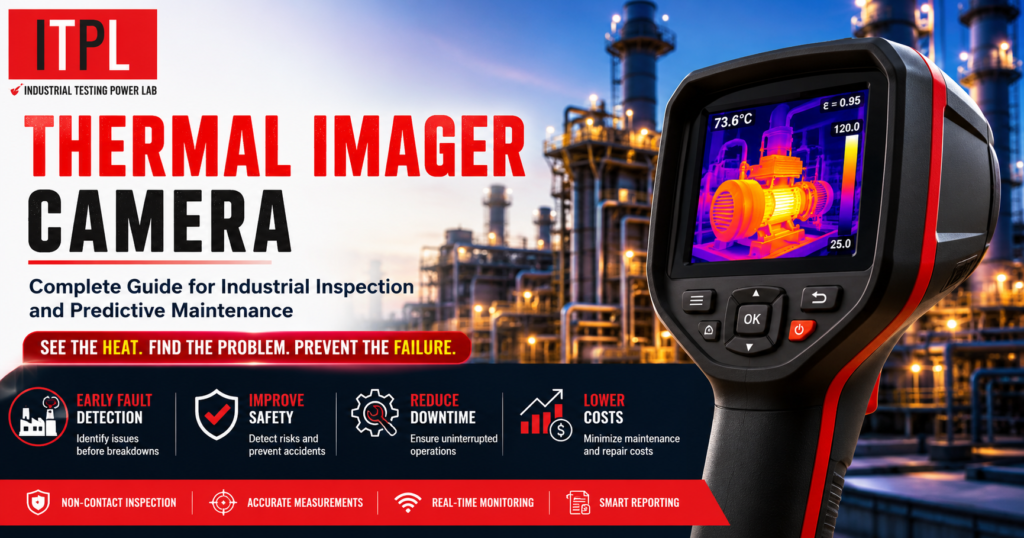
A thermal imaging device is a diagnostic tool that is a non-contact device that can detect the infrared radiation that objects emit and transforms it into a visual temperature map. It can detect heat changes that cannot be seen by the human eye, unlike normal cameras.
These systems are used by industries to detect overheating parts, insulation, electrical imbalances, and concealed equipment failures before they can cause costly failures.
A high-tech Infrared Thermal Imaging Camera assists maintenance teams in overseeing equipment status in real-time without disrupting activities.
How Thermal Imaging Works
All the objects release infrared energy depending on the temperature. This energy is then captured by a thermal imaging system and shown as a thermographic image by various colour patterns which indicate temperature variations.
Hotspots often indicate:
- Electrical overloads
- Loose connections
- Difficulty in the motion of machinery.
- Insulation breakdown
- Bearing wear
- Motor inefficiencies
The process enables the technicians to detect abnormalities in a safe and fast manner.
Importance of Industrial Inspection
Modern industries are oriented towards preventive measures rather than reactive maintenance. An effective Industrial Thermal Inspection procedure allows companies to identify the problems at the initial stage and reduce unexpected downtimes.
Electrical System Inspection
Common uses of thermal imaging include inspection of:
- Switchgear panels
- Transformers
- Circuit breakers
- Busbars
- Cable joints
Electrical systems that have excess heat typically show resistance, overload, or deterioration of the components.
Mechanical Equipment Monitoring
During the operation of rotating machinery, heat is produced. Aboriginal temperature patterns may indicate:
- Misalignment
- Lubrication failure
- Bearing damage
- Excessive friction
Timely diagnosis enhances machine serviceability and minimises the expenses of maintenance.
Building and Infrastructure Assessment
Other useful applications of thermal inspections include the detection of:
- Heat leakage
- Moisture intrusion
- HVAC inefficiencies
- Insulation gaps
Thermal imaging helps facility managers to enhance energy efficiency and minimise operational losses.
Role in Predictive Maintenance
Conventional maintenance is usually responsive in response to a failure in equipment. The current-day industries have been more inclined towards data-driven Predictive Maintenance Solutions that will detect issues before they occur.
Thermal monitoring facilitates predictive maintenance as it:
- Early detection of faults.
- Reducing unplanned downtime
- Improving workplace safety
- Lowering maintenance expenses
- Increasing equipment reliability
Thermal imaging is an effective tool of reliability when it is used with vibration analysis and condition monitoring systems.
Key Features to Look for in a Thermal Imaging Device
The selection of equipment will be determined by industrial needs, temperature span, and complexity of inspection.
High Thermal Sensitivity
Enhanced sensitivity is able to identify even minor variations in temperature, enhancing the accuracy of fault detection.
Large Temperature Measurement Range.
Extreme operating temperatures are often the case in industrial applications. There is more flexibility in inspections because of the wider range.
Image Resolution and Clarity
An increase in image resolution enhances the quality of the analysis and enables technicians to detect smaller thermal appearances.
Wireless Reporting and Wireless Connectivity.
The contemporary systems enable storing data in the clouds, mobile communications, and automated report-generation, which makes it easier to document maintenance.
Rugged Industrial Design
An Infrared Inspection Camera must be durable, and it has to be able to withstand harsh industrial conditions such as dust, vibration and high humidity.
Thermal Imaging and Calibration Accuracy
Correct measurements are needed to provide credible inspection findings. Calibration routinely assures the reliability of thermal devices in the long term.
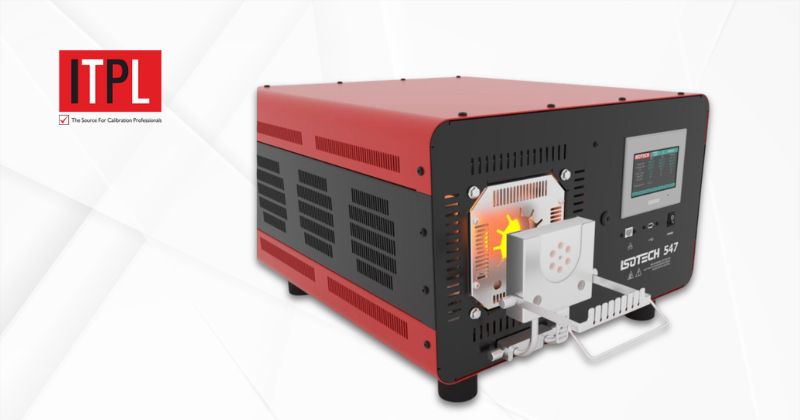
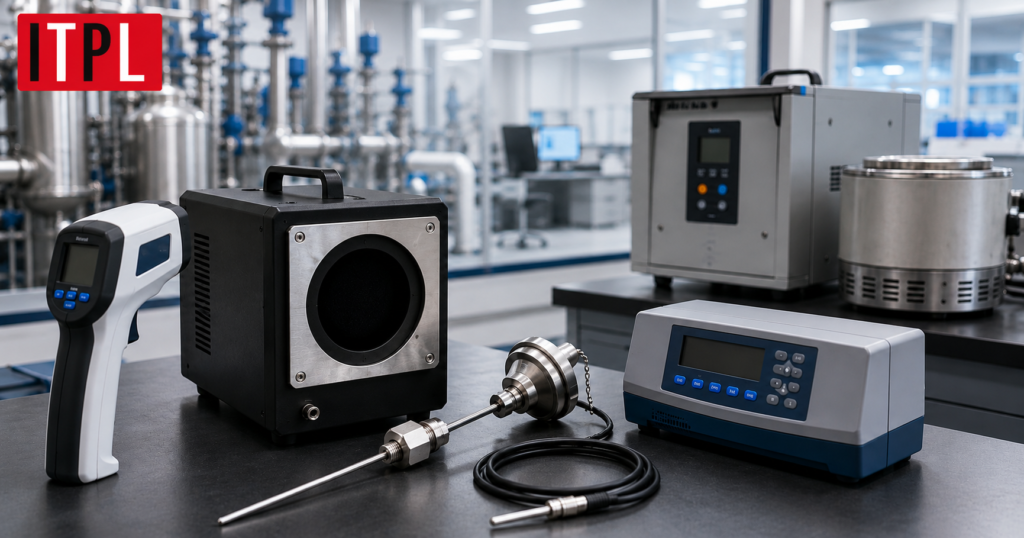
A calibrator of an Infrared Thermometer may be applied to check a temperature and keep a traceable standard of measurement. Calibration enhances uniformity and aids in meeting quality assurance standards.
Industries Using Thermal Imaging Technology
Thermal imaging enjoys a wide application in different industries due to the advantages of safety and efficiency.
Manufacturing Industry
Thermal inspection systems are used in production facilities to monitor machinery, conveyor systems, motors and electrical infrastructure.
Oil and Gas Sector
In hazardous environments, thermal diagnostics is used to detect problems in the pipeline, defects in insulation, and unusual heating of equipment.
Power Generation and Utilities
The inspection of transformers, substations and transmission systems by Thermal Imaging Inspection methods is applicable in power plants and utility providers.
Pharmaceutical and Food Processing
The production conditions that have temperature sensitivity demand tight control to ensure the quality of products and the ability to comply with the regulations.
Latest Trends in Thermal Imaging Technology
The thermal imaging industry is dynamic with smart technologies and automation.
Emerging trends include:
- AI-powered fault detection
- Cloud-based thermal reporting
- Handheld wireless thermometers.
- Real-time remote monitoring
- Interconnection with industrial IoT systems.
These innovations enhance efficiency in maintenance and aid in decision-making.
FAQs
Q1. What is the purpose of a thermal imager?
Ans: It is applied to monitor the heat patterns and temperature changes in equipment, electrical and industrial machinery as a means of inspection and maintenance.
Q2. Is thermal imaging able to detect electrical faults?
Ans: Yes. Thermal imaging can be used to detect the overheating connections, overloaded circuits and failing electrical components in advance before they become hazardous.
Q3. Why is thermal imaging important for predictive maintenance?
Ans: It assists maintenance teams in detecting latent issues at an early stage, lessens downtime, and avoids expensive equipment failures.
Q4. What number of thermal inspections should be done?
Ans: The frequency of inspection is based on the use of equipment, operating conditions and the industry standards. Critical systems are usually checked on a quarterly or annual basis.
Q5. Does thermal imaging equipment require any calibration?
Ans: Yes. Consistently calibrating ensures the measurement of temperature and the precision of the inspection results.
Conclusion
Modern industrial maintenance has been revolutionized by the technology of thermal imaging, which allows conducting the diagnostic process more quickly, safely and more effectively monitor equipment. A good Thermal Imager Camera helps companies to reduce risks in their production, improve planning in maintenance and general productivity.
With the ongoing shift to smart maintenance strategies by industries, thermal inspection devices will still be an important component of the predictive maintenance programs. Companies that invest in hi-tech thermal imaging can have enhanced operational visibility, reduced repair expenses, and enhanced long-term reliability.