
Even a single degree of deviation in the industrial and laboratory context would result in poor quality of products, safety risks, or failed experiments. Although the non-contact temperature measuring is unbelievably convenient, the vast majority of professionals are asking themselves: Does an infrared thermometer work well enough to perform some critical tasks? The solution lies in its calibration.
The missing link between a quick reading and a certified measurement is an infrared thermometer calibrator. These devices enable the technicians to detect deviations and ensure that their data remains intact by having a fixed and familiar temperature source. In this guide, we shall discuss the steps of calibration of the infrared thermometer, problem repairs, and maintenance tricks in order to ensure that the sensors are working at their best.
What is an Infrared Thermometer Calibrator?
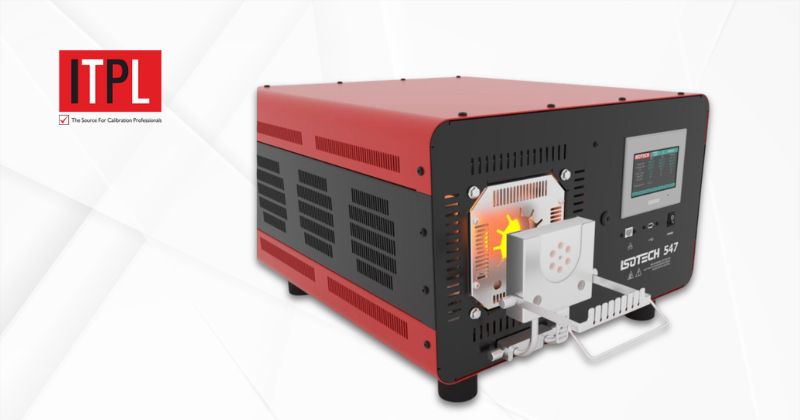
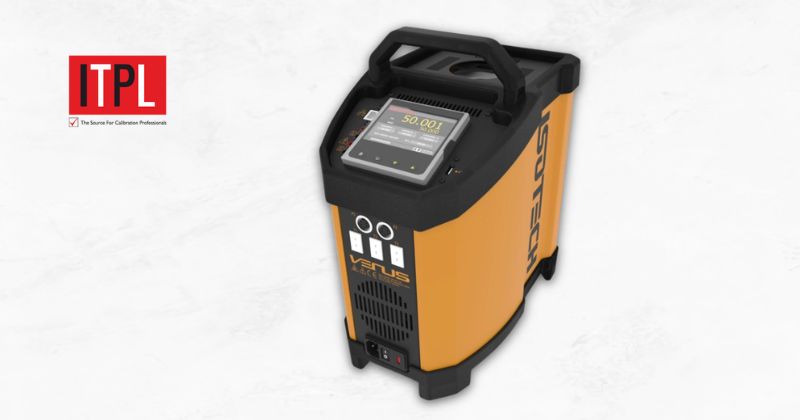
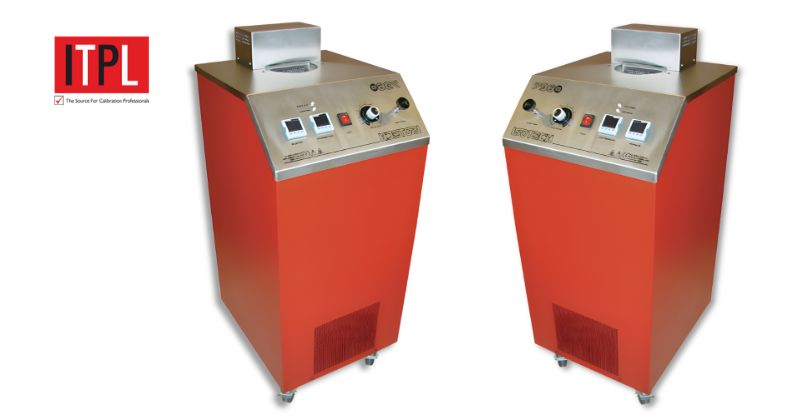
A black body calibrator (also known as an infrared thermometer calibrator) is a special instrument that is used to test and fine-tune the performance of non-contact temperature sensors. In contrast to the conventional dry-well calibrator of probes, an IR calibrator has a high emissivity target surface, typically 0.95 or more, to replicate an ideal thermal radiator.
In an infrared thermometer, calibration equipment is mainly to have a reference point. By aiming your IR gun at the target in the calibrator, you can match the value of a thermometer with the temperature under control on the calibrator. This will be essential during infrared temperature sensor calibration in automated production lines.
Why Infrared Thermometer Calibration is Important
You may say, do you have to calibrate the infrared thermometer gadgets in case they are digital? The response is a resounding yes. Sensors may drift over time as a result of environmental exposure or as a result of physical drops or aging of internal components.
- Risk of Inaccuracy: A thermometer with no calibration would fail to detect a fever in healthcare; it would lead to food that has been undercooked in food processing.
- Infrared Thermometer vs. Digital Thermometer: As a digital probe thermometer measures the internal temperature of an object through conduction, an IR thermometer measures surface energy. Since IR thermometers are vulnerable to the emissivity errors and atmospheric interference, the actually more important in this case is their regular calibration compared to contact probes.
How Infrared Thermometers Work
To know the reason why calibration is required, you have to know how an infrared thermometer works to measure heat. Infrared radiation is emitted by every object that is above absolute zero. This light is focused on a detector, referred to as a thermopile, with the help of the IR thermometer.
The thermopile is used to convert the infrared energy into an electrical signal, which is converted into a temperature reading on the screen. Calibration of the infrared temperature sensor is necessary since the device is required to keep the linearity and accuracy of the conversion of the electrical signal to temperature value throughout the device range.
Step-by-Step Infrared Thermometer Calibration Procedure
Performing a high-temperature infrared calibration or a standard check requires a controlled environment. Follow this calibration procedure for infrared thermometer equipment:
Calibration Checklist:
| Step | Action | Description |
| 1 | Stabilize | Allow the calibrator and the thermometer to acclimate to room temperature for 30 minutes. |
| 2 | Set Target | Set the calibrator to a specific temperature (e.g., 100°C). |
| 3 | Check Emissivity | Ensure your IR thermometer is set to match the calibrator’s emissivity (usually 0.95). |
| 4 | Align | Aim the thermometer perpendicular to the calibrator target at the recommended distance. |
| 5 | Record | Take three readings and average them. Compare the average to the calibrator’s display. |
| 6 | Adjust | If the error exceeds the manufacturer’s tolerance, use the device’s internal offset to adjust. |
Common Infrared Thermometer Errors and Repair Tips
At the time when you are having problems, that does not always mean that the machine is malfunctioning. The general repairs that are performed on common infrared thermometers are:
- Lens Contamination: Dust or moisture contamination of the lens is the first reason for low readings. Clean the lens with a cotton swab and medical alcohol.
- Thermal Shock: The drift occurs when the truck has been ferried in cold weather and in a hot factory. One should also always remember to allow a device at least 20 minutes to reach thermal equilibrium.
- Battery Voltage: Too low batteries can provide the processor with inappropriate signal calculations. Whenever a sensor fault is suspected, the level of power must be initially rechecked.
Choosing the Right Infrared Thermometer Calibrator
There are three aspects to keep in mind when choosing a calibrator:
- Temperature Range: You should have the calibrator over your maximum and minimum operation points (e.g., -30 o C to 500 o C).
- Target Size: The target must be big enough to take the field of view of the thermometer at a convenient distance, the so-called blackbody.
- Portability: This will be much more convenient when you are setting up the sensors on the factory floor with a handheld or portable benchtop unit in place of a large lab furnace.
FAQs About Infrared Thermometer Calibration
Q1. Does an infrared thermometer need calibration?
Ans: Yes. To meet ISO or FDA standards, most industries require annual or semi-annual calibration to ensure the device remains within its stated accuracy window.
Q2. Infrared thermometer vs digital thermometer: which is better?
Ans: Digital (contact) thermometers are generally more accurate for internal temperatures. However, infrared thermometers are better for moving parts, high-voltage areas, or sterile environments where contact is impossible.
Q3. How often should you calibrate an infrared thermometer?
Ans: Most manufacturers recommend once a year. However, if the device is dropped or used in extreme temperatures on a daily or quarterly basis, regular checks are advised.
Q4. Can infrared thermometers measure high temperatures accurately?
Ans: Yes, but they require High Temperature Infrared Calibration. Standard models may struggle above 500°C without specific industrial-grade sensors.
Conclusion
The only way to ensure that your non-contact measurements are not an estimate is to keep an Infrared Thermometer Calibrator. With the help of a severe calibration process of infrared thermometer equipment and being knowledgeable about such aspects as emissivity and thermal shock, it is possible to make sure that your data is accurate and your activities are secure.
Are you now prepared to increase your measurement accuracy? Or view our new inventory of Temperature Calibration Instruments, or call our technicians to order a certified NIST-traceable calibration of your fleet.